
Causes, Symptoms and Effective Treatment Options — Beautious Aesthetics Chennai
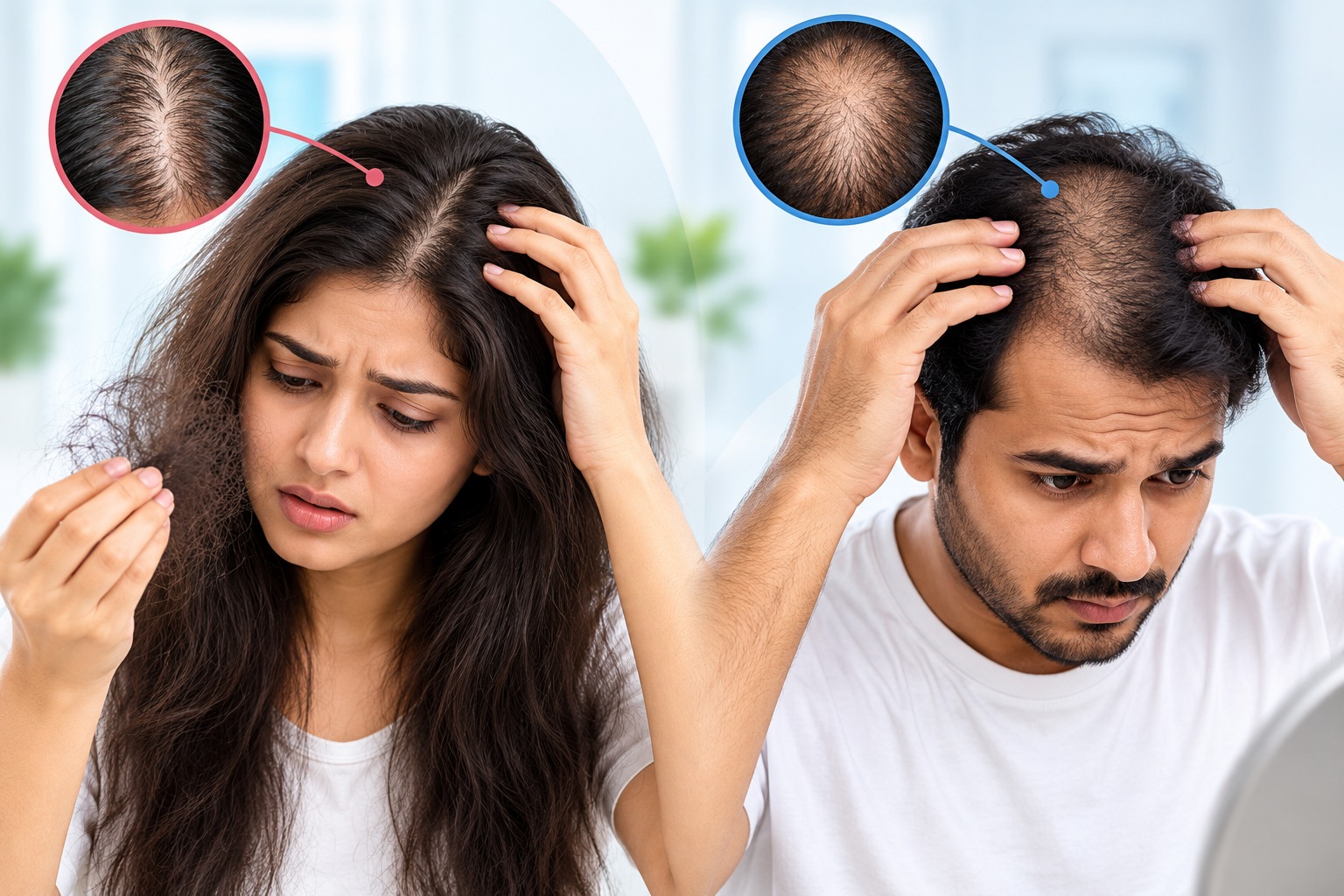
Hair fall is one of the most common hair concerns affecting both men and women. While losing a few strands every day is normal, excessive hair shedding, thinning hair, a receding hairline, or visible bald patches may indicate an underlying hair or scalp condition. Understanding the causes of hair fall is the first step towards choosing the right treatment and maintaining healthy hair.
If you are experiencing persistent hair loss, identifying the underlying reason can help you explore suitable solutions, from medical management and hair growth treatments to hair transplant procedures when appropriate.
Hair fall, also known as hair shedding, occurs when hair strands fall out from the scalp. Normal hair growth follows a cycle consisting of growth, transition, and resting phases. When this cycle is disrupted, excessive shedding or reduced hair growth may occur.
Recognising these symptoms early can help determine whether the problem is temporary hair shedding or a progressive hair loss condition.
Genetic hair loss, also called androgenetic alopecia, is one of the leading causes of hair thinning in men and women. It develops due to a combination of genetic factors and sensitivity to hormones.
In men, it commonly appears as a receding hairline or thinning at the crown. In women, it often causes gradual thinning across the top of the scalp.
Physical or emotional stress can disrupt the hair growth cycle and trigger a condition known as telogen effluvium. This may cause increased hair shedding several weeks or months after a stressful event.
Potential triggers include major illness, surgery, significant weight loss, emotional stress, and inadequate recovery after physical strain.
Managing stress, getting adequate sleep, eating a balanced diet, and addressing the underlying trigger can help hair growth recover in many cases.
Hair follicles require adequate nutrients to support healthy growth. Low iron levels, insufficient protein intake, and certain vitamin or mineral deficiencies may contribute to hair loss.
People following restrictive diets or experiencing nutritional absorption problems may be at increased risk.
A healthcare professional may recommend blood tests when a deficiency is suspected. Taking supplements without identifying a deficiency is not always beneficial and may sometimes be harmful.
Hormonal changes can influence hair growth in both men and women. Thyroid disorders, postpartum hormonal changes, and conditions associated with androgen excess, such as polycystic ovary syndrome (PCOS), may contribute to hair thinning.
The pattern of hair loss and associated symptoms can help a clinician identify whether hormonal evaluation is necessary.
A healthy scalp supports healthy hair growth. Conditions such as seborrhoeic dermatitis, psoriasis, and certain fungal infections can cause inflammation, itching, scaling, or hair breakage.
Dandruff does not usually cause permanent hair loss on its own. However, persistent irritation and scratching may worsen breakage and discomfort.
If you have severe itching, redness, painful areas, or patchy hair loss, consult a dermatologist for an accurate diagnosis.
Frequent straightening, curling, bleaching, colouring, and other harsh chemical treatments can weaken hair shafts and cause breakage.
Tight hairstyles, including tight ponytails, braids, or buns, may also cause traction alopecia. If the pulling continues for a long time, the damage can become permanent.
Use gentle hair-care products, reduce excessive heat exposure, and avoid hairstyles that place constant tension on the roots.
Certain illnesses and medications can contribute to temporary or persistent hair loss. These may include thyroid disorders, autoimmune conditions, significant infections, and some medicines.
Alopecia areata, an autoimmune condition, can cause smooth, round patches of hair loss. Other conditions may cause diffuse shedding or damage to the scalp.
Do not discontinue prescribed medication without discussing possible side effects with your doctor.
Many women experience increased hair shedding after childbirth due to hormonal changes. This is commonly a form of telogen effluvium and often improves gradually as the hair cycle returns to normal.
However, persistent shedding, severe thinning, or symptoms suggesting anaemia or thyroid problems should be evaluated by a healthcare professional.
As people age, hair may become finer, growth may slow, and overall density may decrease. Age-related changes can occur alongside genetic hair loss, hormonal factors, or nutritional deficiencies.
An assessment can help distinguish normal changes from treatable causes of hair thinning.
Smoking, poor dietary habits, inadequate sleep, and extreme dieting may negatively affect overall health and can contribute to hair concerns in some individuals.
Maintaining a balanced diet, avoiding crash diets, managing stress, and following a consistent hair-care routine can support general hair health. These habits cannot, however, reverse every form of genetic or medical hair loss.
Understanding the specific condition behind your hair fall is essential for selecting the right treatment.
This is hereditary hair loss that usually progresses gradually. It can affect both men and women and may cause a receding hairline, crown thinning, or reduced overall density.
This condition causes increased hair shedding after a trigger such as illness, stress, surgery, childbirth, or nutritional deficiency. It is often temporary once the underlying cause is addressed.
An autoimmune condition that can cause sudden, smooth, round patches of hair loss. Some individuals may also experience changes in their eyebrows, eyelashes, or other body hair.
This condition develops due to repeated pulling on the hair roots from tight hairstyles or extensions. Early intervention is important because prolonged traction may permanently damage hair follicles.
Fungal infections and inflammatory scalp disorders may cause scaling, itching, broken hairs, or patches of hair loss. Some conditions can scar the scalp and permanently damage follicles if treatment is delayed.
The correct treatment depends on the reason for the hair loss. A hair and scalp assessment may include:
Avoid choosing a hair fall treatment solely based on advertisements or social media trends. The same treatment may not be suitable for every type of hair loss.
Treatment for hair fall varies according to the underlying condition, its severity, and the health of the hair follicles.
Depending on the diagnosis, a dermatologist may recommend evidence-based medications or treatment of an underlying medical or nutritional problem. Certain treatments are suitable only for specific patients and may require medical supervision.
Treating dandruff, avoiding excessive heat, reducing traction, and maintaining appropriate scalp hygiene can help address some contributing factors. Scalp-care products should be selected according to the condition being treated.
Growth Factor Concentrate (GFC) therapy is a procedure offered by some hair clinics for selected patients experiencing hair thinning. Other treatments, such as platelet-rich plasma (PRP), may also be considered in appropriate cases.
Evidence for these procedures varies, and results are not guaranteed. A qualified clinician should assess suitability, explain limitations, and discuss expected outcomes before treatment.
A hair transplant may be an option for suitable candidates with certain forms of permanent hair loss, particularly androgenetic alopecia. It involves moving hair follicles from a donor area to areas requiring greater coverage.
Not everyone experiencing hair fall is a suitable candidate. The underlying diagnosis, donor hair availability, stability of hair loss, and long-term treatment plan should be evaluated before surgery.
Consider seeking professional evaluation if you experience:
Hair fall can result from genetic factors, stress, nutritional deficiencies, hormonal changes, scalp conditions, medications, or damaging hair-care practices. Since different conditions require different treatments, identifying the underlying cause is more effective than relying on a one-size-fits-all solution.
If you are concerned about excessive shedding, thinning hair, or a receding hairline, a professional hair and scalp assessment can help you understand your options.
Looking for hair fall treatment in Chennai? Beautious Aesthetics offers hair and scalp consultations and treatment options, including GFC therapy and hair transplant procedures for suitable candidates. Visit www.beautiousclinic.com to learn more and enquire about a consultation.
Common causes include genetic hair loss, temporary shedding after stress or illness, hormonal changes, nutritional deficiencies, and scalp conditions. The most likely cause depends on the pattern and duration of hair loss.
Yes. Significant physical or emotional stress can trigger telogen effluvium, which causes increased shedding. Hair growth often improves after the trigger is addressed, although recovery can take several months.
Dandruff usually does not cause permanent hair loss. However, itching and scratching may contribute to hair breakage, and some inflammatory scalp conditions can cause more significant hair loss.
Low iron levels and certain nutritional deficiencies may contribute to hair loss. Vitamin D, vitamin B12, and other nutrient levels may be relevant in selected cases. Testing and supplementation should be guided by clinical need.
The outcome depends on the cause. Temporary shedding may resolve after the trigger is corrected, while genetic hair loss often requires ongoing management. No treatment can guarantee permanent prevention of all hair loss.
GFC therapy may help selected patients with certain forms of hair thinning, but evidence and outcomes vary. A professional assessment is necessary to determine whether it is appropriate and to discuss realistic expectations.
A hair transplant may be considered for suitable people with permanent hair loss, especially pattern baldness. A specialist should evaluate the donor area, existing hair, the cause of hair loss, and future progression before recommending surgery.
Identify the root cause of your hair loss with our expert trichology consultation. Book your scalp assessment and discover personalized treatment options at Beautious Aesthetics.